

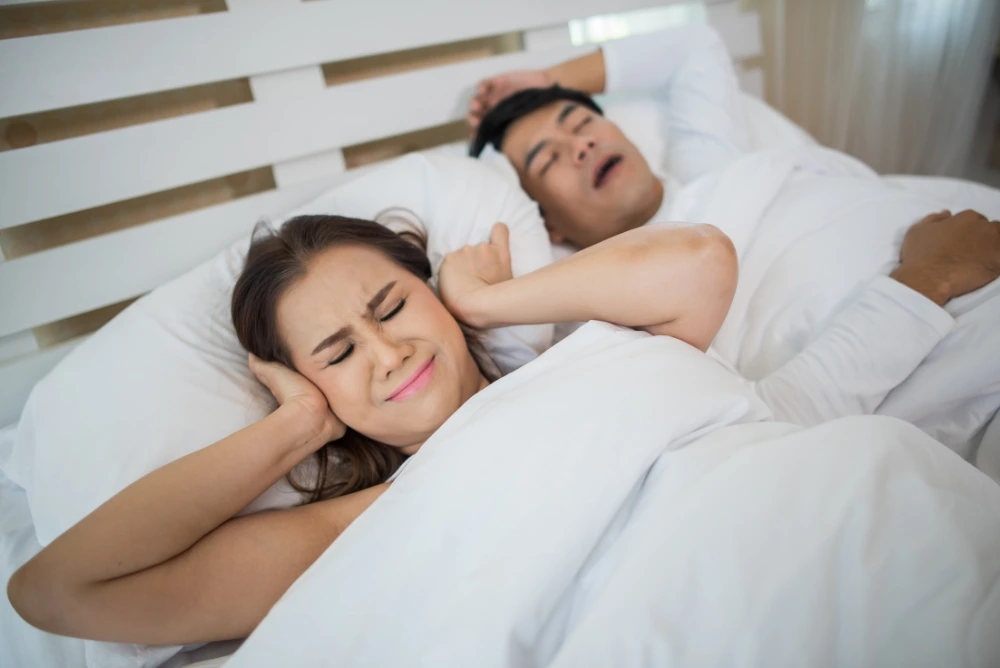
If you deal with loud snoring or wake up feeling tired even after a long night of sleep, you might have sleep apnea. While many people think they have to use a bulky machine with a mask to fix this, a professional dental treatment for sleep apnea is often a much more comfortable choice for mild to moderate cases. Dentists who study sleep medicine are a big help in modern healthcare because they make custom tools that help you breathe easily and naturally while you sleep.
How Dentists Identify Sleep Issues
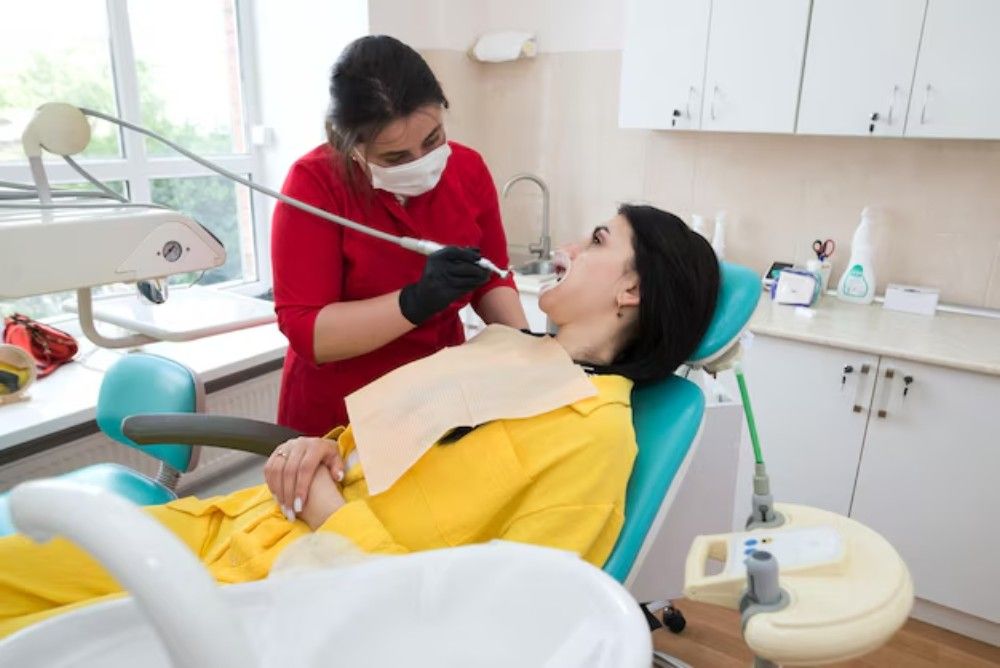
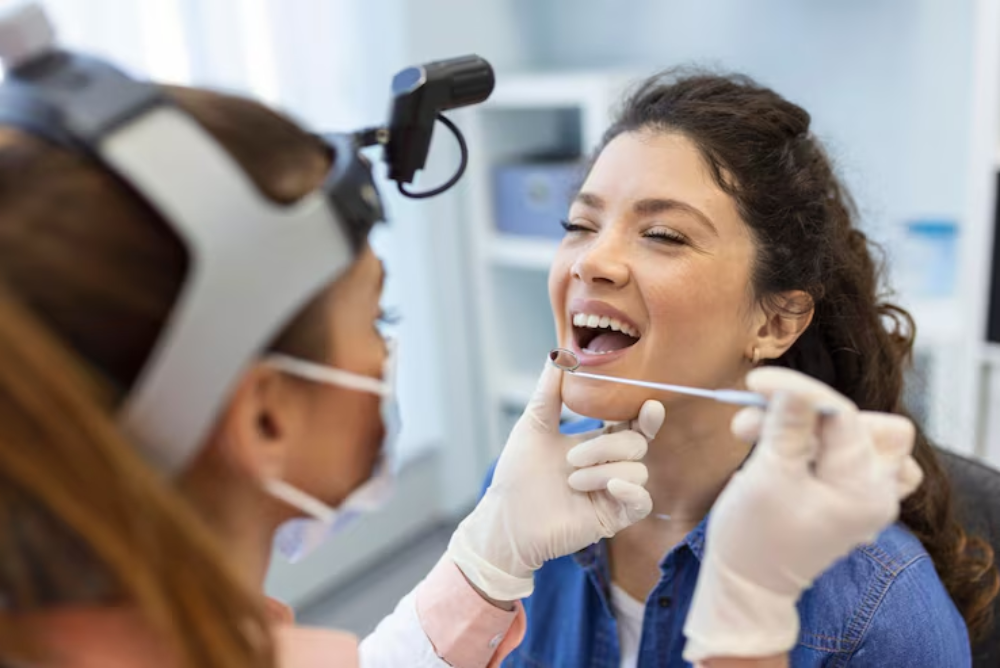
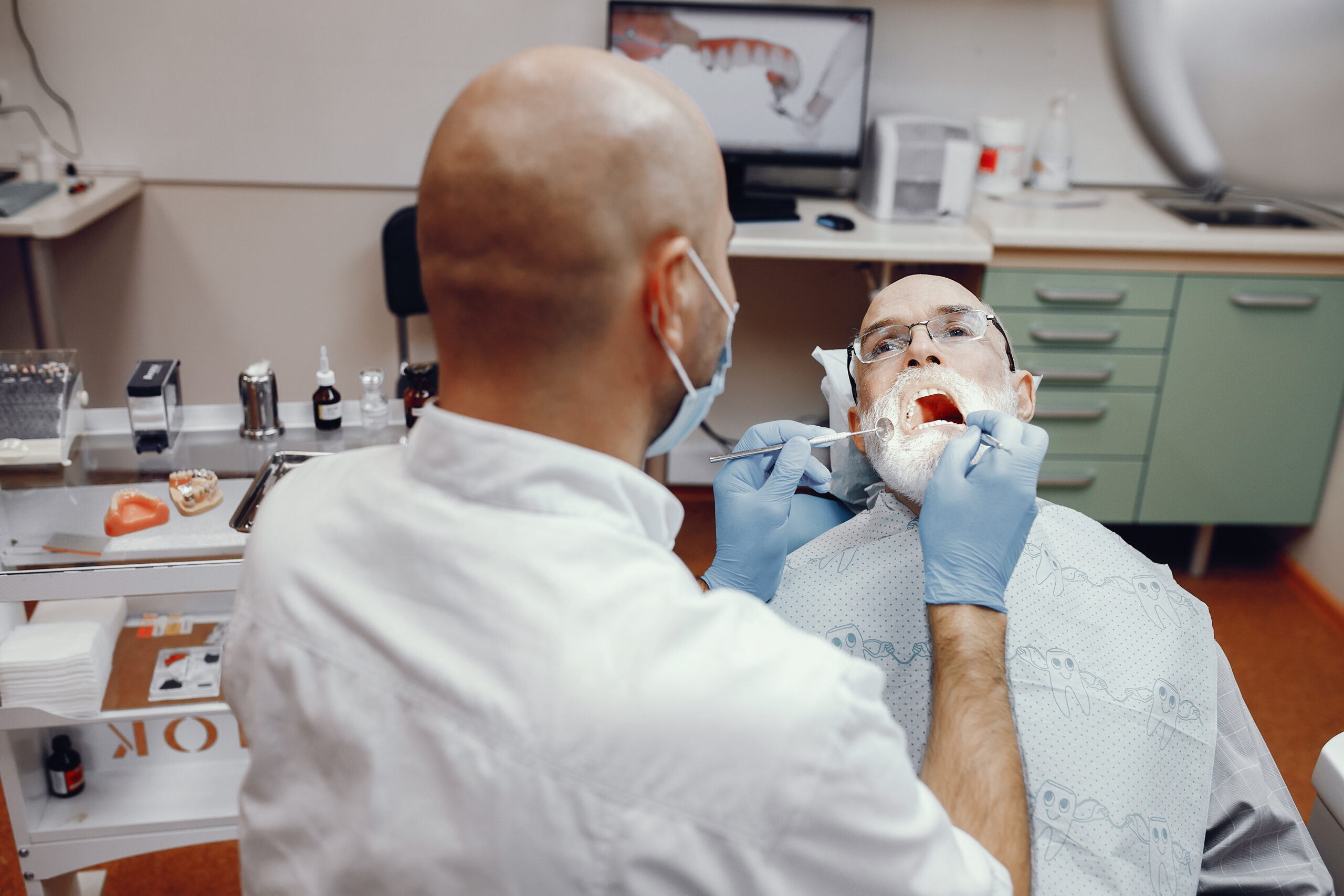
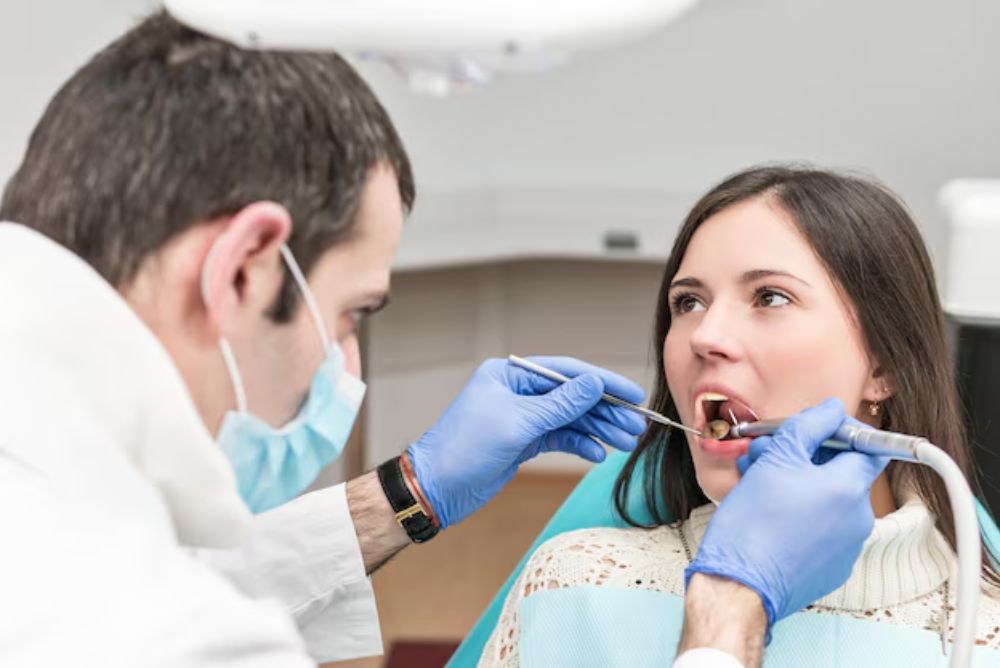
The path to a better night’s sleep often starts right in the dental chair. During a normal checkup, your dentist can find physical signs that you might have a sleep disorder. They look for things like a large tongue, big tonsils, a small jaw, or even worn-down teeth from grinding. If they see these signs, they will usually suggest you see a sleep doctor for a special test. Once you have a formal diagnosis, your dentist can then help you find the right dental solution to help you breathe better.
Exploring Oral Appliance Therapy
One of the most common ways dentists help is with oral appliance therapy. This treatment is very simple: you just wear a custom-made piece that looks like a sports mouthguard or a retainer while you sleep. Unlike big, loud machines that blow air into your lungs, these small tools work by gently holding your mouth in the perfect position. This keeps your throat open naturally so you can breathe without any trouble all night.
If you are seeking sleep apnea treatment in Etobicoke, you will find that people love these devices because they are so easy to use and carry around. They are quiet, do not need to be plugged in, and fit easily into a travel bag. This makes them much more convenient than a heavy CPAP machine for many patients.
Which Dental Device Is Right for You?
Dentists usually suggest one of two main tools based on the shape of your mouth and what feels best for you:
- Jaw-Moving Tools (MADs): These are the most common type. They work by gently moving your lower jaw forward and down. That movement tightens the skin in the back of your throat so your airway stays open.
- Tongue-Holding Tools (TRDs): These are great for people who can’t move their jaw easily or are missing most of their teeth. This tool uses a soft suction to hold your tongue forward so it doesn’t slide back and block your throat.
Why a Custom Fit Matters
While “boil-and-bite” mouthguards are available at local drugstores, they are never recommended for treating a serious medical condition like sleep apnea. A dentist near you will take detailed impressions or 3D digital scans of your mouth to create a device that is perfectly calibrated to your bite. This custom fit is essential not only for your comfort but also to prevent unwanted side effects like permanent bite changes or jaw pain that can occur with poorly fitted, over-the-counter options.
More Than Just a Quiet Night
Fixing sleep apnea with dental care does much more than stop your snoring; it keeps your whole body healthy for years to come. By making sure you get enough oxygen all night long, you can lower your risk for big health problems like heart disease, strokes, and high blood pressure. Most people notice right away that they have more energy during the day, can focus better, and feel much happier overall.
What to Expect During Your Treatment
Modern dental sleep medicine in 2026 is highly collaborative. Your dentist will work closely with your physician to monitor the effectiveness of the device. The approach may involve:
- Titration: The dentist gradually adjusts the device forward to find the “sweet spot” where your airway stays open comfortably.
- Follow-up Sleep Tests: Periodically, you may be asked to do a home sleep test to confirm that the appliance is effectively reducing your apnea events.
- Regular Adjustments: Every six months, the device is checked for wear and tear to ensure it continues to function properly.
Start Your Journey to Restful Sleep
If you are tired of waking up exhausted or your partner is losing sleep due to your snoring, it is time to seek a solution that works for your lifestyle, and at our dental clinic in Etobicoke, we focus on care that truly makes a difference. We specialize in providing personalized treatments that help you breathe easier and sleep more deeply.
Schedule a visit to Kailash Dentistry to discuss your options.
Frequently Asked Questions
Is an oral appliance as effective as a CPAP machine?
For mild to moderate sleep apnea, oral appliances are often just as effective as CPAP and have higher patient compliance rates because they are more comfortable. For severe cases, they may be used in combination with other therapies.
Does insurance cover dental sleep apnea treatment?
Yes, most medical insurance plans—rather than dental plans—cover custom oral appliances for sleep apnea, provided you have a formal diagnosis from a physician.
Will the device make my jaw sore?
It is normal to feel some slight jaw stiffness when you first wake up during the first few weeks of use. The stiffness usually fades quickly as your muscles adjust to the new position.
How long do these dental appliances last?
A high-quality, custom-made oral appliance typically lasts between3 and 5 years with proper care and regular professional checkups.