

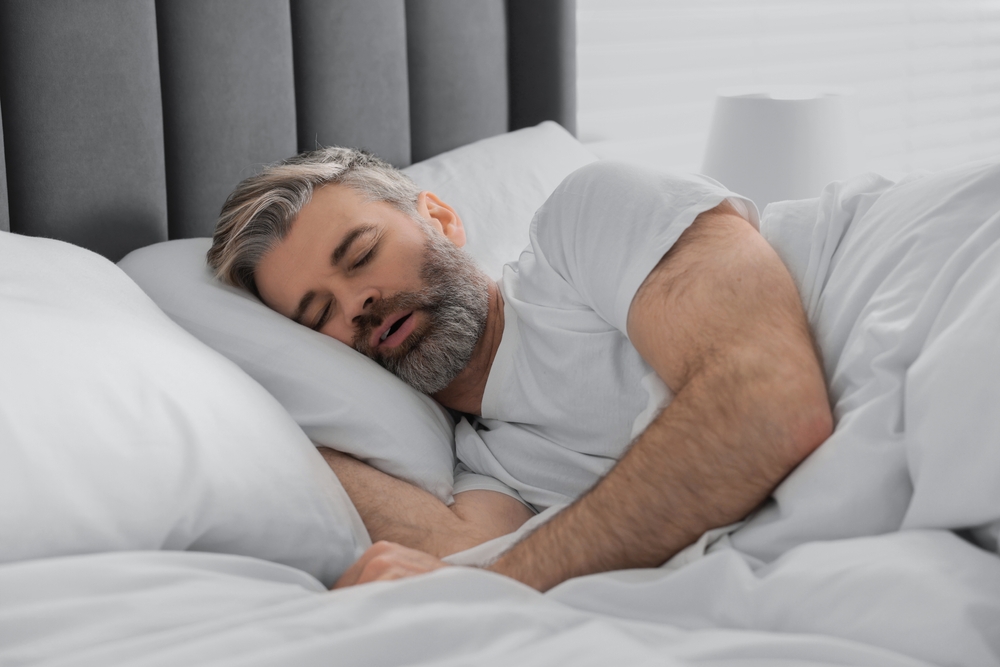
Do you stop breathing or snore loudly while you sleep? This could be sleep apnea, a condition that can cause morning headaches, daytime tiredness, and trouble focusing. Dentists can help by fitting special devices that keep your airway open so you can breathe better at night.
What is Sleep Apnea and Why Does It Happen?
Many people ask what sleep apnea is because they notice changes in their sleep but do not understand why. This condition happens when the airway becomes too narrow or blocked during sleep. As a result, your brain wakes you up repeatedly to breathe again. This can happen many times a night, even if you don’t remember waking up.
What Are the Symptoms of Sleep Apnea You Should Watch For?
Some people are unsure what the symptoms of sleep apnea are because they think snoring is normal. But sleep apnea comes with multiple signs that affect your daily life.
Common symptoms include:
- Loud snoring most nights
- Waking up gasping or choking
- Feeling sleepy during the day
- Dry mouth and headaches in the morning
- Difficulty focusing or recalling details
These symptoms often guide people to look for options like sleep apnea treatment in Etobicoke to improve their sleep and overall health.
How Can Dental Devices Help Treat Sleep Apnea?
Dentists play a key role in treating sleep apnea with simple, effective tools. Many people turn to dental devices for sleep apnea because these devices are easy to use, comfortable, and non-surgical.
The commonly used devices are
1. Mandibular Advancement Device (MAD)
- It looks like a mouthguard.
- It moves the lower jaw forward.
- Helps to keep the airway open
2. Tongue-Retaining Device
- Holds the tongue tightly
- Stops the tongue from blocking the airway
3. Customized Oral Appliance
- Made by your dentist to perfectly fit your mouth
- Helps in the reduction of snoring and breathing interruptions
Such devices work as a treatment for mild or moderate sleep apnea, and they have the potential to enhance your sleep quality.
How Can a Dentist Help Diagnose and Treat Sleep Apnea?
If you’re unsure where to start, a dentist near you can help you understand your symptoms and guide you toward the right treatment. Dentists check how your jaw, tongue, and airway are shaped. They may also recommend a sleep test if needed. A simple appointment can help you understand whether a dental device is right for you.
When Should You Consider Sleep Apnea Treatment?
You should think about treatment if you:
- Wake up feeling tired even after a full night’s sleep.
- Snore loudly and regularly.
- Have morning headaches
- Notice mood changes or trouble staying focused.
- Feel embarrassed about your snoring affecting others.
A dental check at a dental clinic in Etobicoke can help you find out if a device or other treatment might help.
Dental Devices vs CPAP Machine
- Comfort: Dental devices are small and easy to wear; CPAP machines can feel bulky.
- Noise: Dental devices are silent; CPAP machines make airflow noise.
- Suited For: Dental devices suit mild to moderate sleep apnea; CPAP is for moderate to severe cases.
- Travel: Dental devices are easy to carry; CPAP machines are harder to travel with.
- Maintenance: Dental devices are simple to clean; CPAP needs regular parts replacement.
Find the Right Sleep Solution for You!
Ready to sleep better, wake up refreshed, and breathe easier at night? Book an appointment with Kailash Dentistry today and get personalized, expert care for restful, healthy sleep that improves your overall well-being.
FAQs
Can sleep apnea affect children?
Yes, some children develop sleep apnea due to enlarged tonsils or narrow airways.
Do dental devices stop snoring completely?
They often reduce snoring, but the results depend on how severe the condition is.
Can sleep apnea go untreated for years?
Yes, but untreated sleep apnea can cause heart problems and constant fatigue.
Are dental devices painful to wear?
Most devices are comfortable after a short adjustment period.